



Exploring Authentic Flavours: India’s Most Loved Crunchy Snacks & Namkeen Traditions

Exploring Authentic Flavours: India’s Most Loved Crunchy Snacks & Namkeen Traditions
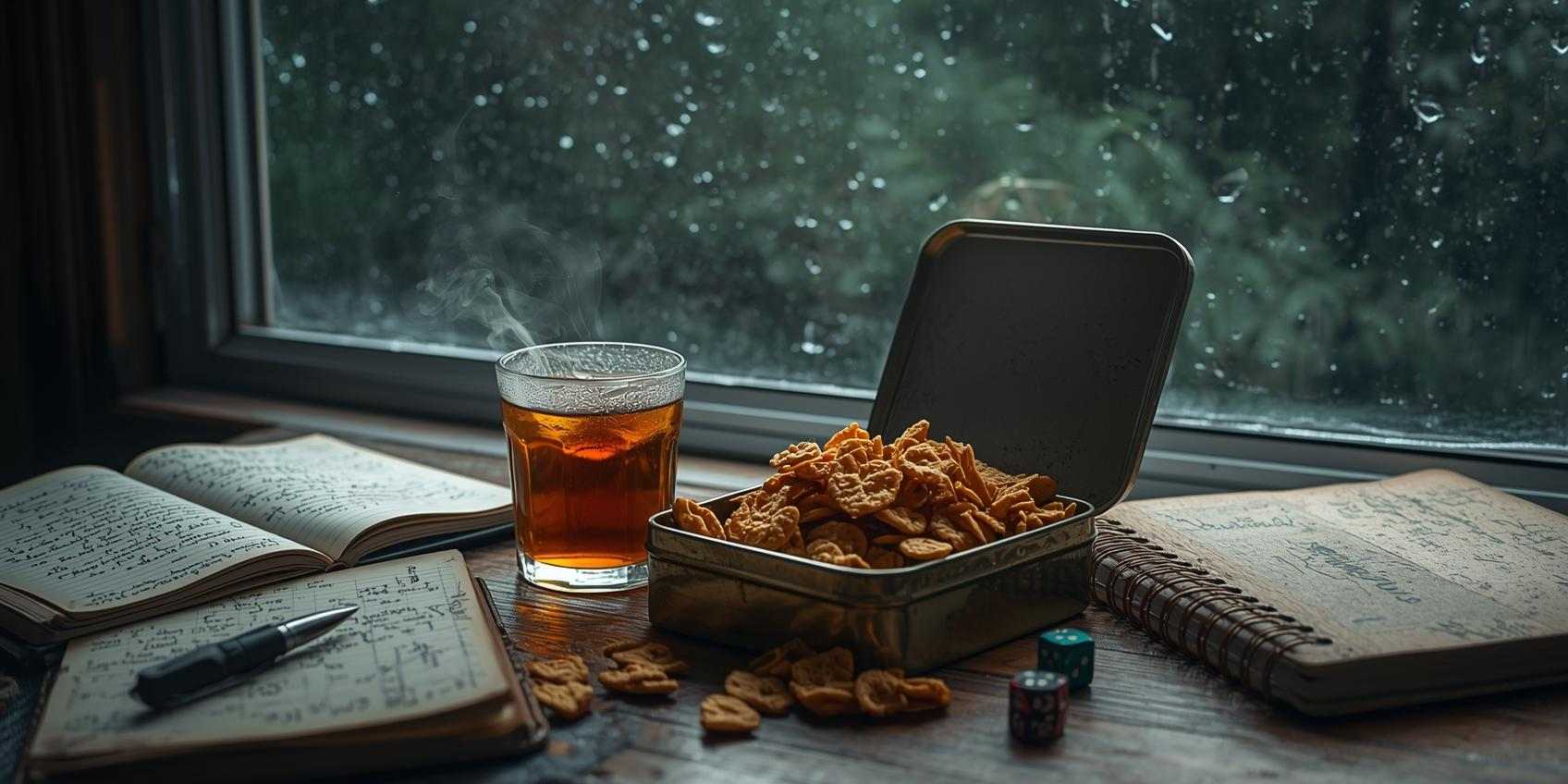
We still remember that rainy evening during our college days — the familiar sound of rain against the windows, the aroma of masala chai wafting through the room, and a humble tin of crunchy namkeen sitting on the table. As soon as we opened the lid, a wave of memories washed over us: chai-time conversations, laughter, the click-clack of dice on cardboard boxes, and that irresistible crunch. That simple tin wasn’t just a snack — it was a connection to childhood, to home, to roots.
It is this mix of nostalgia, flavour, crunch and cultural memory that draws us repeatedly to traditional Indian snacks — the so-called “namkeens”, farsan, chaats, and more. In an age crowded with global brands and fast-moving consumer goods, we believe there’s a reason why these authentic treats continue to hold a special place.
Why Indian Snacks Are More Relevant Than Ever
Over the past few years, the Indian snacking market has seen a dramatic resurgence. According to a recent report by the IMARC Group, the Indian snacks market was valued at over ₹46,571.3 crore in 2024, and is projected to grow continuously through 2033. (IMARC Group)
What’s fueling this growth? Partly, it’s nostalgia — a yearning for authentic flavours and homegrown comfort. But more importantly, a rising demand for snacks that reflect our cultural identity, offer familiar spices, textures, and tastes, and fit into our daily lives. As modern consumers become more conscious about ingredients, health, and nutrition, many are rediscovering traditional snacks not just as indulgences, but as heritage bites of flavour and memories.
The Cultural Tapestry of Indian Snacks
One of the most beautiful aspects of Indian snacks is their diversity, rooted deeply in regional food cultures. From the northern plains to southern coasts, from the deserts of the west to the temples of the east — every region offers its own crunchy, savoury specialities.
Historically, many of these snacks trace their lineage back centuries, evolving over time while preserving their essence. (India Today NE)
In our kitchens and street-side stalls alike, snacks have been more than just a quick bite — they’re conversation starters, festive treats, comfort food, and a symbol of home.
What Makes a Snack “Authentic”?
When we talk about “authentic flavours” in Indian snacks, we’re referring to more than just spices. It’s about:
-
Traditional recipes, passed down generations: besan-based sev, gram-flour mathris, spiced chickpeas, etc.
-
Real, whole-food ingredients — chickpeas, lentils, whole grains, spices, nuts — not over-processed mixes.
-
Textures and aromas that bring out the heritage: the right kind of crunch, aroma of fresh oil (or roasted pulses), freshness of spices that aren’t masked.
-
Regional seasoning profiles: for example, the fennel/ajwain balance in North-Indian namkeens, or the milder coconut / rice-based snacks in the south.
Authenticity — in our view — is less about branding and more about heart, memory, and genuine taste.
Iconic Crunchy Indian Snacks We Love
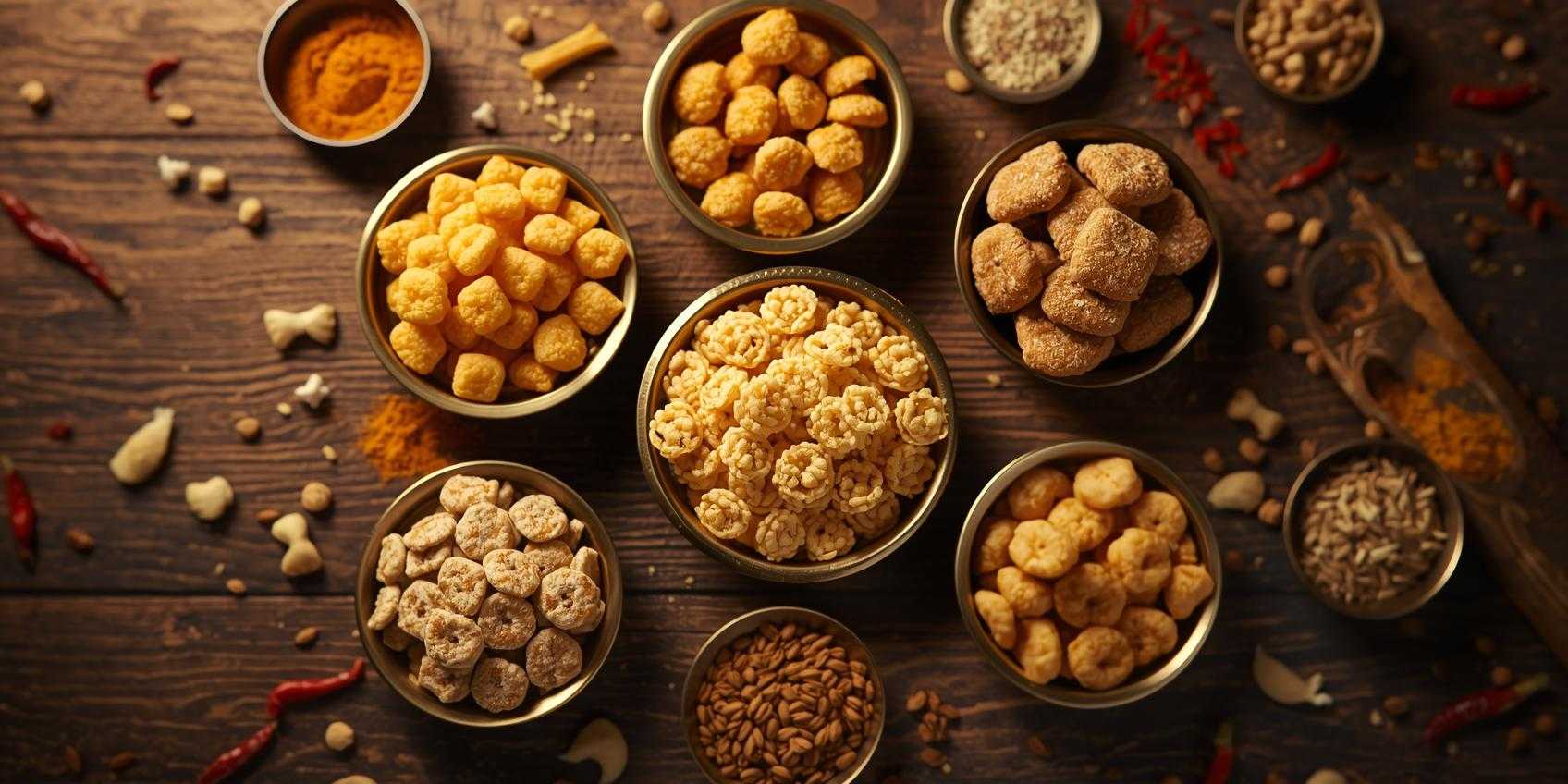
Below are some of our favourite traditional snacks — from street-side classics to homestyle teatime treats — that embody “authentic flavours” and “crunchy delights.”
Bhujia & Sev
-
Bikaneri Bhujia: Originally from Bikaner (Rajasthan), this is perhaps one of the most iconic “namkeens” in India — thin, crispy, gram-flour strands spiced to perfection. It’s often eaten with tea, sprinkled over chaats, or simply munched from the packet. Many recognise its distinctive spice profile and long shelf-life. (Snacks Delights)
-
Sev: A sibling of bhujia in many ways — sev comes in multiple variants (thick, thin, ratlami, laung, nylon). Sev can be a standalone crunchy snack or a crucial topping for dishes like bhel-puri, sev puri, and other chaats. (Snacks Delights)
Deep-Fried Pastries & Bites
-
Namak Para: Originating from Bihar (also called Nimkin or Namkeen in various regions), this is a simple flour-based pastry cut into ribbon-like strips, seasoned with ajwain (carom seeds) or cumin, and deep-fried until crisp. It resembles miniature samosa pastry but with its own rustic charm, often enjoyed with tea. (Wikipedia)
-
Bhakarwadi: A spiral/roll-shaped snack made from gram-flour dough, stuffed with a mixture of coconut, poppy seeds, sesame seeds (and sometimes garlic or onions), then fried till golden crisp. Originally popular in Gujarat/Maharashtra, it has since become a household favourite across many parts of India. Its combination of sweet, spicy, and crunchy makes it a versatile snack. (Wikipedia)
Regional & Puffed Delights
-
Ganthiya: Hailing from Gujarat, ganthiya are typically made from chickpea flour dough, pressed through a sev-making machine, and deep-fried until crispy. While some versions are soft, there are flakier, crispier variants too — like “papdi ganthiya.” Their taste and texture make them perfect tea-time companions. (Wikipedia)
-
Chana Jor Garam: A street-side classic — roasted chickpeas are flattened, spiced, and fried into zesty, crunchy discs. Often served with chopped onion, tomato, lemon juice and green chutney, this snack is a favourite across India for its bold flavours and satisfying bite. (Wikipedia)
Fusion-Style & Modern Twists
-
Dabeli: Not a “namkeen” per se, but a testament to how Indian snack culture evolves. Originating in the Kutch region, dabeli mixes boiled potatoes with a special masala, stuffs it into a pav (bread bun), and serves it with chutneys, pomegranate, and roasted peanuts — a crunchy-soft fusion that shows how traditional snacks adapt to fast, urban lifestyles. (Wikipedia)
Changing Consumer Trends: From Chips to Namkeen and Beyond
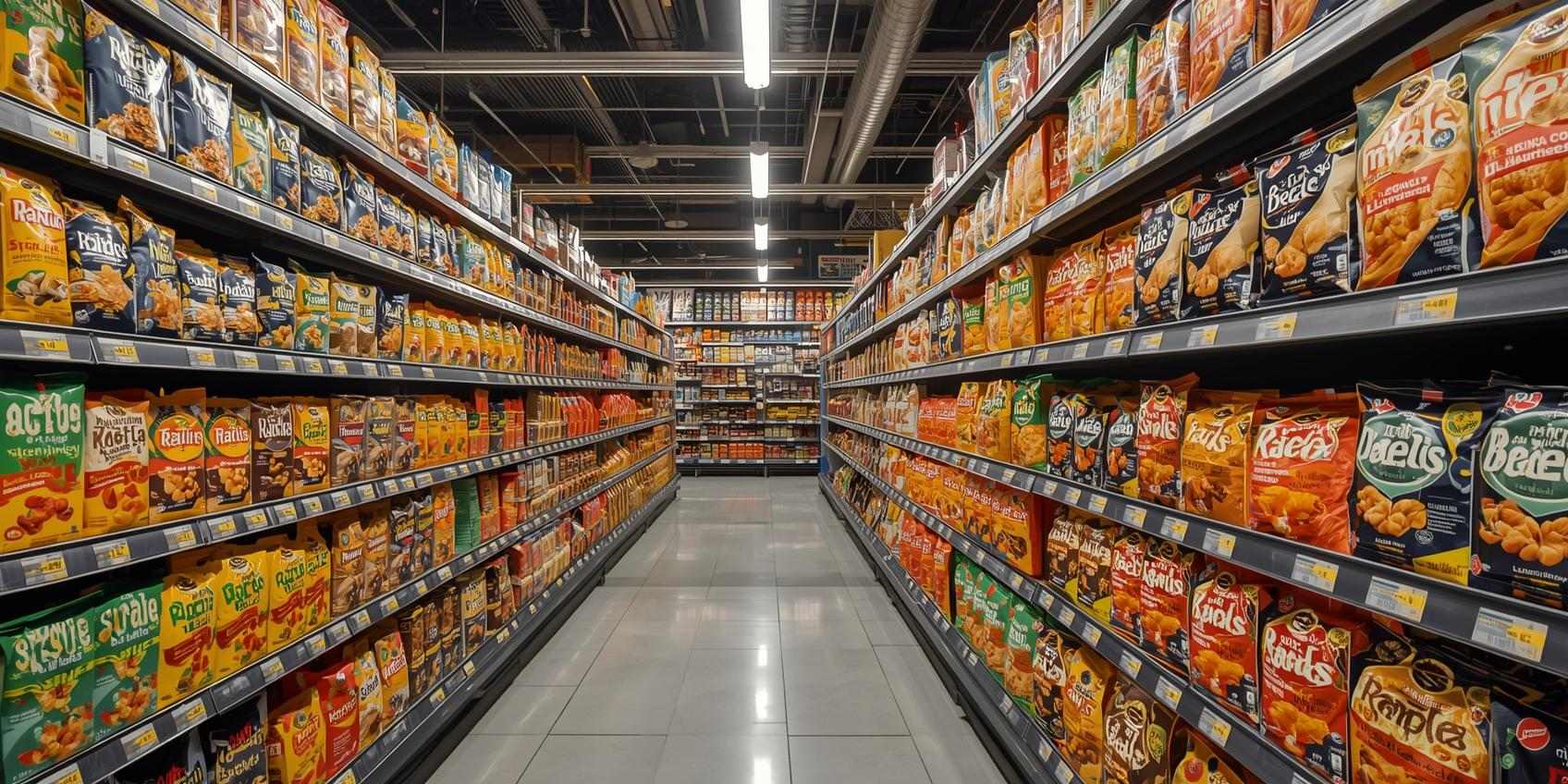
While western-style chips and extruded snacks once dominated Indian shelves, there is a growing shift back toward traditional, “desi” snacks. As noted in a commentary analysing the Indian snack market, many consumers now prefer the local touch — traditional namkeens, farsan, mixture — because they resonate with cultural roots, local taste preferences and are perceived as more “authentic.” (www.ndtv.com)
But there’s more than nostalgia at play. A recent survey cited by market analysts shows that 73% of Indian consumers now examine ingredient lists and nutritional labels before buying snacks. (The Knowledge Company)
In particular, snacks with wholesome ingredients — nuts, seeds, whole grains — are becoming more popular. For example, items like makhanas (fox nuts) and dry fruits have gained traction as healthier snacking alternatives. (Business Standard)
This signals a paradigm where consumers no longer compromise between health and heritage: they want “authentic flavours and crunchy delights” — but also snacks they can feel good about.
Why Authentic Snacking Matters: More Than Just Taste
We believe the turn back to traditional snacks is meaningful for multiple reasons:
-
Cultural Continuity: Snacks are a part of our heritage — often tied to festivals, childhood memories, and regional identity. Eating them preserves a connection to roots, even as urban lifestyles evolve.
-
Sensory Satisfaction: The crunch, spice, aroma, texture — traditional snacks offer a deep sensory engagement that many processed snacks can’t replicate.
-
Ingredient Transparency: Traditional snacks — especially homemade or from small batch producers — often rely on simpler, recognisable ingredients. In an era of rising awareness about additives and processed food, that matters a lot.
-
Sustainability & Local Economies: Supporting regional snacks helps preserve culinary traditions, supports small producers, and reduces dependence on global supply chains.
How to Choose “Good” Namkeen or Indian Snacks (What to Look For)
When we pick snacks for ourselves — or recommend them to friends — we look for certain qualities:
-
Simple Ingredients: Chickpea flour, lentils, whole grains, spices — not a long list of artificial colours, preservatives, or overly refined additives.
-
Authentic Recipe / Regional Heritage: Snacks rooted in culinary tradition — e.g., sev, bhujia, ganthiya, namak para — often offer more depth of flavour than over-processed, “snack-food engineered” alternatives.
-
Good Texture & Freshness: Crunch matters. Snacks should not feel stale, soggy, or overly oily. Crispness indicates quality and freshness.
-
Balanced Flavour — Spice, Salt, Aroma: The right balance of spices and salt, without overwhelming heat or artificial after-taste.
-
Mindful Portioning & Moderation: Especially for fried namkeens — enjoy in moderation; complement them with tea, chutney, or other accompaniments.
If more people adopt these criteria, the traditional snack ecosystem gains strength — from home cooks to small artisans to regional producers.
Preserving Authenticity: Tips for Homemade & Hygienic Snacking
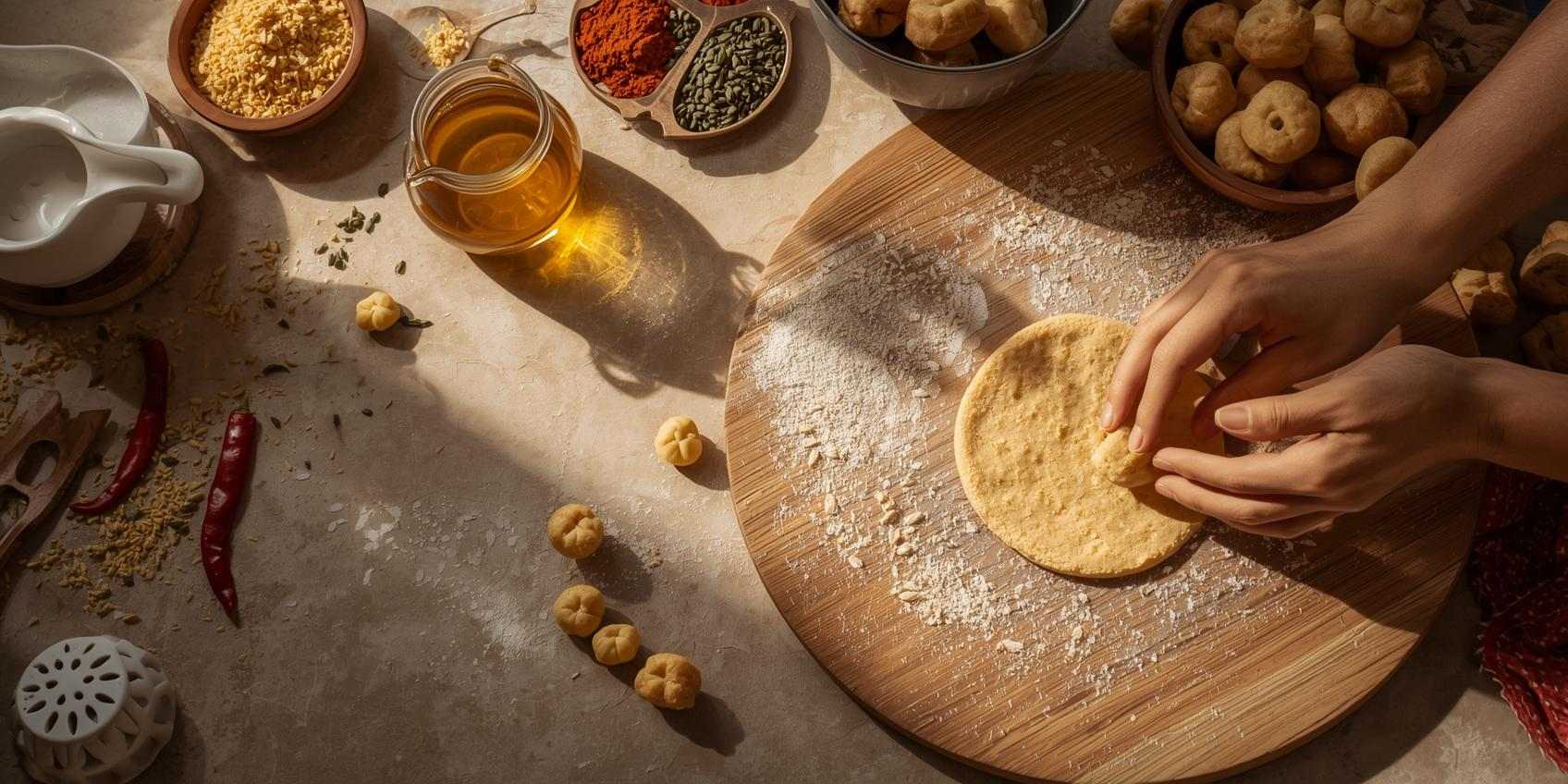
While packaged namkeens are convenient, making snacks at home — or choosing small-batch, artisanal options — helps preserve authenticity and avoid over-processing. Here are a few tips we rely on:
-
Use fresh ingredients: fresh chickpea flour (besan), clean oil (or even ghee), fresh spices.
-
Fry in small batches — ensuring even frying and crispness. Overcrowding the pan often results in soggy or oily snacks.
-
Let it cool completely before storing — prevent moisture buildup (which kills crunch).
-
Store in airtight containers — away from humidity and heat, to preserve freshness and texture.
-
Experiment with lighter versions — roasted chana, baked makhanas, or lightly sautéed sev — especially if we care about health, without losing the flavour & crunch.
By doing this, we keep alive the authenticity and soul of traditional snacks.
The Road Ahead: Snacks, Innovation & Health in Harmony
The landscape of Indian snacking is changing rapidly. On the one hand, traditional snacks are being rediscovered; on the other, evolving. There’s growing innovation around “clean label” snacks, baked or roasted variants, fusion recipes, and regional specialities being reintroduced with modern packaging and hygiene standards.
For example, snacks historically enjoyed in small towns or villages are now being reimagined for urban markets — sometimes with lighter oils, better shelf life, or fusion twists that appeal to younger consumers.
If done right, this balance of heritage + health + convenience could shape the future of snacking in India.
What We Take with Us
As we reflect on our journey through the world of Indian snacks, a few things stand out:
-
Traditional snacks bring together taste, culture, nostalgia and community — a combination rare in globalised fast-food snacks.
-
The demand is shifting — people today care about ingredients and health, but they don’t want to give up flavour or authenticity.
-
With mindful choices — whether buying or making — we can enjoy crunchy delights while preserving heritage, taste, and well-being.
-
Ultimately, snacks aren’t just about filling a hunger gap — they are sensory experiences that connect us with memories, roots, and each other.
We believe that authentic Indian snacking — with its diversity of flavours and textures — deserves a place of pride on our tables once again.
So, next time you reach for a packet of namkeen, or heat oil to fry some homemade mathris, do it with a little more awareness, a little more love — for your health, for tradition, for that childhood memory.
Key Takeaways
-
The Indian snacks market is booming: as of 2024, it is valued at ~ ₹46,571.3 crore and growing. (IMARC Group)
-
Traditional snacks such as sev, bhujia, namak para, ganthiya and chana jor garam offer authentic flavours and crunchy textures rooted in regional heritage.
-
A rising number of consumers (about 73%) are now checking ingredient lists and preferring snacks with wholesome, natural ingredients. (The Knowledge Company)
-
Homemade or small-batch snacks can combine authenticity, freshness, and better control over oil/spices — often a healthier, more personal option.
-
Snacks are not just about taste — they carry culture, memories, and a sense of belonging.
FAQ
Q: Are traditional Indian namkeens healthier than regular potato chips or western snacks?
A: It depends. Traditional namkeens — when prepared carefully, with good quality ingredients and moderation — can be more wholesome than many processed western snacks. They often use pulses, lentils, chickpea flour or whole grains. However, many are deep-fried and may still be high in fat and calories. Choosing roasted/ baked varieties or controlling portion size improves their nutritional profile.
Q: How can we store crunchy snacks to retain their freshness and crispiness?
A: The key is freshness and dryness. Let the snacks cool completely after frying or before sealing the packet. Then store them in an airtight container, preferably in a cool, dry place — away from moisture and humidity. Avoid repeated opening-closing, which lets in air and dampness.
Q: Can traditional Indian snacks cater to health-conscious people too?
A: Yes. The recent trend shows many Indians prefer snacks with natural ingredients, no artificial additives, and wholesome nutritional content. (The Knowledge Company) Additionally, healthy alternatives like roasted makhanas, dry fruits, or baked versions of namkeens are gaining popularity.
Q: What makes an Indian snack “authentic”?
A: Authenticity comes from traditional recipes, regional heritage, real ingredients (flours, pulses, spices), proper methods of preparation, and flavours/textures that reflect the original taste — not over-processed or heavily altered for mass production.