



Rediscovering Authentic Flavours & Crunchy Delights: A Journey Through India’s Most Loved Traditional Snacks

Rediscovering Authentic Flavours & Crunchy Delights: A Journey Through India’s Most Loved Traditional Snacks
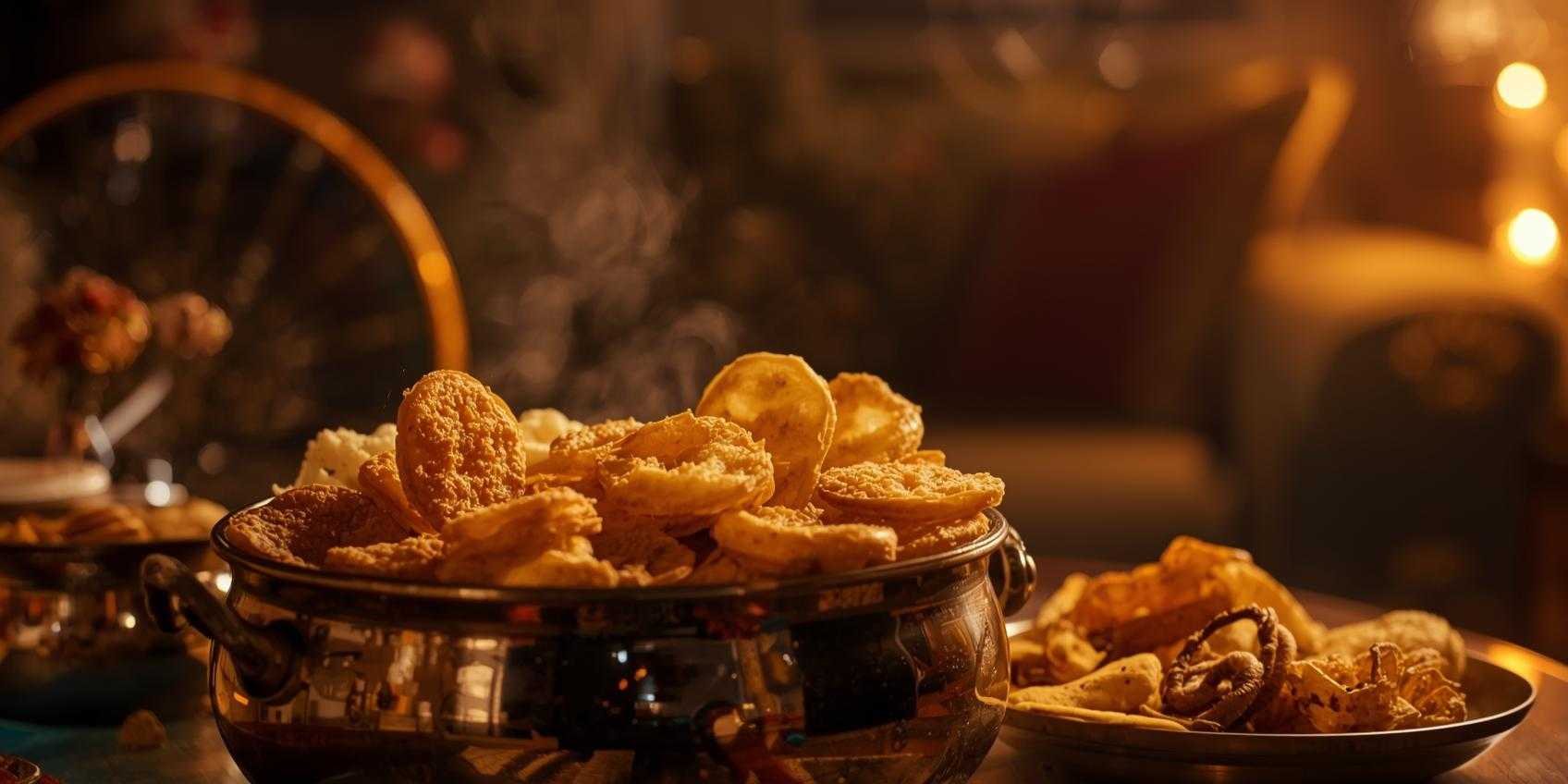
Last winter, during a casual discussion in our office pantry, one of our colleagues narrated a delightful moment from her hometown in Indore. Every time she returned from college for a break, her mother welcomed her with a huge steel dabba brimming with freshly fried namkeen—spicy sev, crunchy chakli, and roasted chana. She said, “No matter where I travel, the moment I taste these crunchy delights, I feel instantly at home.”
That simple line stayed with us because it reflects something universal: authentic Indian snacks are more than just food—they’re memories wrapped in flavour.
Why Do Authentic Indian Snacks Matter Today?
In a country like India, where flavours change every 200 kilometres, snacks have always held a special place in our cultural and emotional ecosystem. As our lifestyles evolve—fast-paced work, digital fatigue, and global influences—our cravings often pull us back to something rooted, something nostalgic, something authentically ours.
In this blog, we explore why authentic flavours and crunchy delights continue to dominate Indian snack culture, how regional traditions shape our taste buds, and why the demand for authentic Indian snacks is rising nationwide and globally.
The Rise of Authentic Flavours in India’s Snack Evolution
Authenticity is becoming the new benchmark in the Indian food landscape. With growing awareness about ingredients, traditional recipes, and cultural value, we see a significant shift from generic packaged snacks toward region-specific, taste-rich delicacies.
Why authenticity matters:
-
It preserves traditional cooking techniques.
-
It ensures the real taste of local ingredients.
-
It connects us emotionally to our roots.
-
It offers healthier alternatives compared to artificial-flavour-driven packaged snacks.
Even institutions like NIFTEM (niftem.ac.in) and FSSAI (fssai.gov.in) emphasise the importance of preserving India’s culinary heritage through structured research and food safety guidelines.
Crunchy Delights — The Heartbeat of Indian Snacking
If India had a national texture, it would probably be “crunchy.” From North to South, the sound of a perfect bite has always been central to our snacking rituals.
Some of India’s most beloved crunchy delights include:
-
Murukku / Chakli — rice and lentil magic
-
Banana Chips — Kerala’s iconic golden snack
-
Sev & Bhujia — the lifeline of Madhya Pradesh and Rajasthan
-
Mathri — flaky, crunchy, perfectly spiced
-
Chiwda — light, crispy, and endlessly customizable
Our collective love for crunch makes these snacks timeless. Even after globalisation brought international alternatives, Indian crunchy delights retained their charm and market share.
Regional Indian Snacks & Their Authentic Flavour Stories
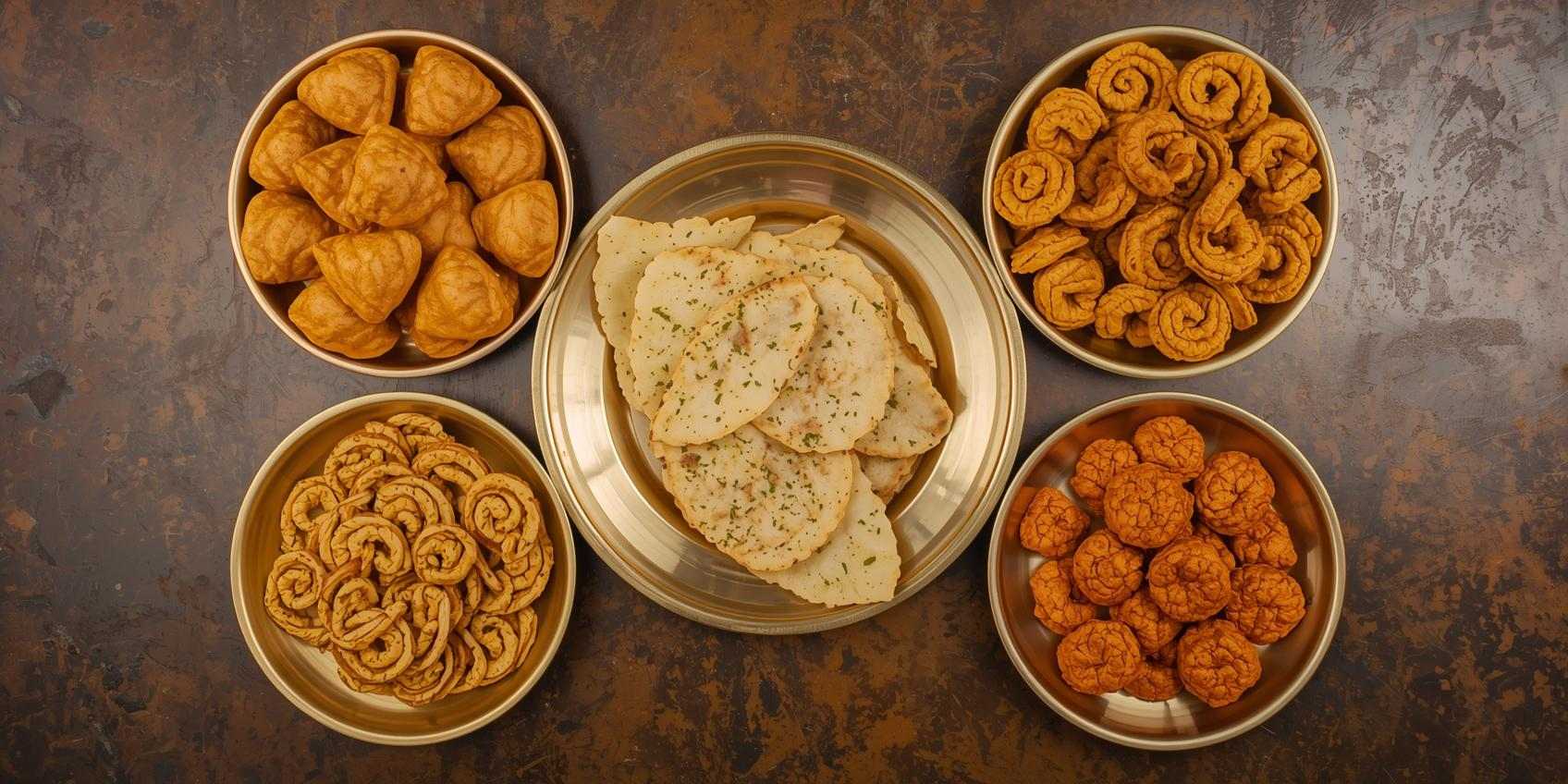
Every region brings its own culinary fingerprint:
North India
-
Aloo bhujia
-
Kachori mathri
-
Punjabi masala papad
West India
-
Gujarati fafda-jalebi combo
-
Mumbai’s roasted chana-jowar mix
-
Ratlam sev
South India
-
Murukku
-
Spiced peanuts
-
Banana chips
-
Thatte murukku
East India
-
Jhalmuri
-
Muri mixture
-
Bengal chanachur
Each region proudly protects its flavours, often passed down through generations. Food research bodies like the Indian Food Research Association (ifranet.org) confirm that regional snacks make up a growing segment in India’s expanding food market.
The Science Behind Crunch — Why We Crave It
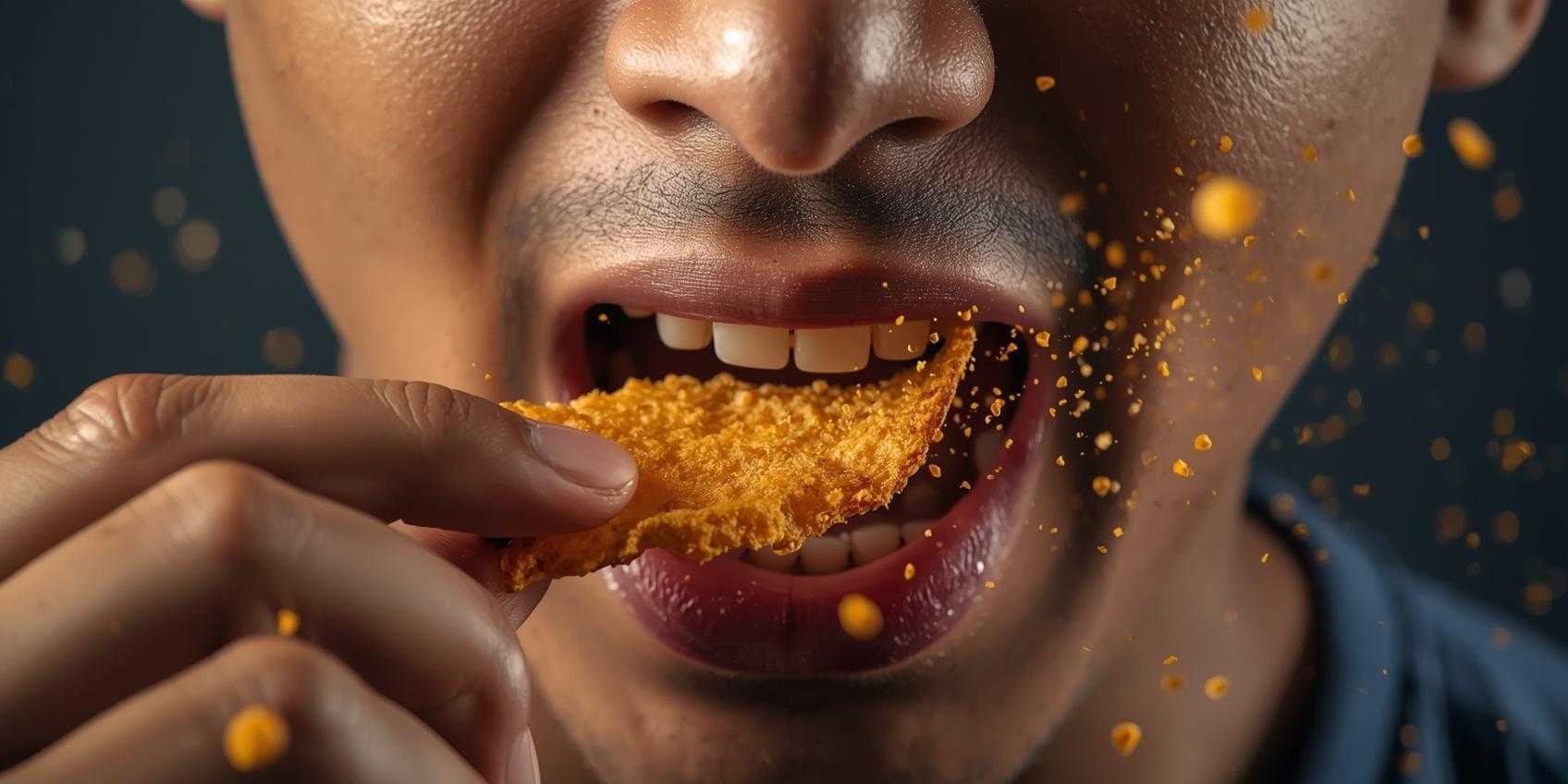
Our fascination with crunchy textures is not just cultural; it’s scientific.
When we bite something crunchy:
-
Our brain releases dopamine, creating a joyful sensation.
-
The sound of crunch enhances taste perception.
-
It provides sensory satisfaction, especially during stress.
-
It triggers nostalgia, reminding us of home-made snacks.
This fusion of sensory and emotional experience explains why crunchy delights continue to outshine modern alternatives.
From Traditional Kitchens to Modern Packaging — The Evolution
As the demand for authentic Indian snacks rises, we’ve seen a massive transformation in how these snacks are packaged, preserved, and delivered.
Key upgrades:
-
Vacuum-sealed freshness
-
Cold-pressed oil usage
-
Hygienic production environments
-
Standardised quality checks
-
Clear ingredient transparency
Initiatives by FSSAI and guidelines from the Food Safety and Standards Regulations of India ensure these modern innovations don’t compromise traditional flavours.
Healthier Snack Choices — Can Authentic Still Be Healthy?
Contrary to what many believe, authentic Indian snacks can also be nutritionally balanced when prepared with mindful choices.
Healthy snack variants:
-
Baked mathri
-
Roasted chivda
-
Millet-based namkeen
-
Low-oil sev made with air frying.
-
Roasted makhana mixtures
Studies from the AYUSH Ministry (ayush.gov.in) indicate that millets, lentils, and traditional grains enhance digestive strength when consumed in natural snack forms.
Why India Prefers Authentic Snacks Even in Globalised Times
Even with the growing influence of Korean chips, American nachos, and Japanese rice crackers, India firmly stands by its roots. Here’s why:
-
Culturally immersive flavours
-
Higher familiarity and comfort
-
Better alignment with Indian palates
-
Affordable pricing
-
Diverse dietary options
A 2024 food trend report suggests that over 62% of urban Indian consumers prefer traditional snacks over international alternatives, proving authenticity is not just nostalgia—it’s preference.
The Global Demand for Authentic Indian Snacks
Indian snacks have gone global—big time. The Indian diaspora, international tourists, and global food enthusiasts have shaped a rising movement around regional Indian flavours.
Countries like the UAE, the US, the UK, Singapore, and Australia now import massive volumes of:
-
Bhujia
-
Namkeen
-
Banana chips
-
Roasted chickpeas
-
Indian trail-mix alternatives
Trade reports from APEDA (apeda.gov.in) show a significant growth in the export sector for Indian snack brands in the last 5 years.
How We Choose and Curate Authentic Indian Snacks
When we bring snacks to our homes—or when brands deliver them to our doorstep—the real value lies in choosing genuine, region-crafted, flavour-rich options.
Our selection process includes:
-
Ingredient authenticity
-
Regional sourcing
-
Minimal additives
-
Freshness and aroma
-
Crunch consistency
-
Traditional recipe adherence
We believe that every dabba of Indian snacks should feel personal, nostalgic, and deliciously authentic.
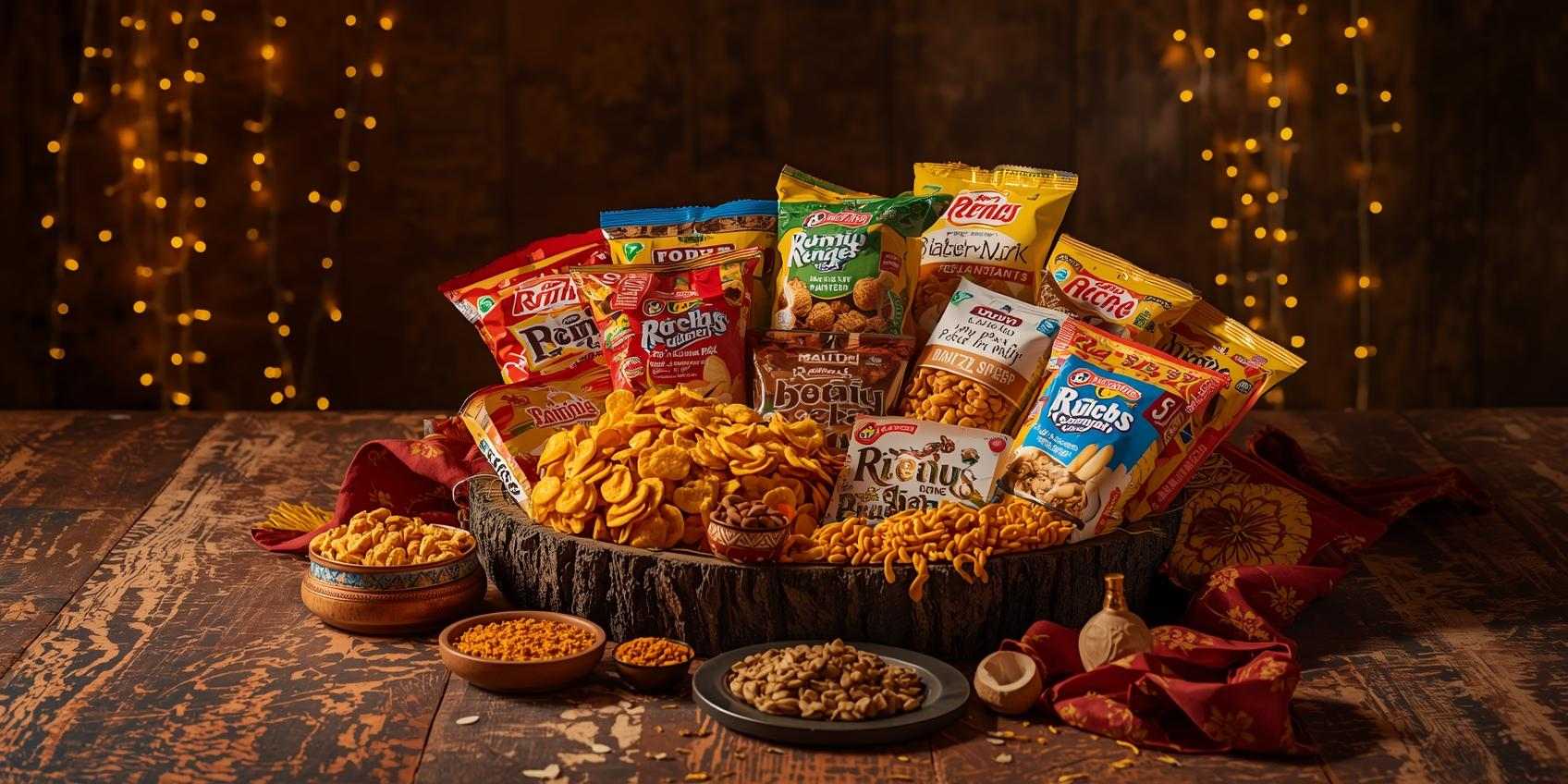
Authentic Indian snacks represent our shared stories, flavours, emotions, and cultural identity. They remind us of our grandparents’ kitchens, festive gatherings, long train journeys, and celebration boxes during festivals.
Whether it’s the crunch of a banana chip, the zing of sev, or the comfort of roasted chana, these delights continue to bring us together—no matter where we are.
Key Takeaways
-
Authentic Indian snacks hold cultural and emotional value.
-
Crunch plays a major role in sensory satisfaction.
-
Regional flavours dominate modern snack choices.
-
Clean, modern packaging keeps traditional snacks relevant.
-
Healthy versions of authentic snacks are on the rise.
-
Indian snacks have a strong global export market.
FAQ
Q: What makes a snack an “authentic Indian snack”?
A: Authentic snacks are those prepared with traditional recipes, local ingredients, and culturally rooted flavours passed through generations.
Q: Are authentic Indian snacks healthier than modern packaged snacks?
A: Yes, when made with traditional techniques, minimal oil, and natural ingredients, they can be significantly healthier.
Q: Why are crunchy delights so popular in India?
A: Crunch enhances flavour perception, triggers nostalgia, and satisfies emotional cravings, making crunchy snacks universally loved.
Q: Which regional Indian snacks are the most popular today?
A: Sev, murukku, banana chips, mathri, bhujia, and chivda continue to dominate national and global markets.
Q: Do authentic Indian snacks have global demand?
A: Absolutely—Indian snacks are exported to more than 50 countries, especially those with large Indian communities.